
September 2, 2026
Stop Offsite Package Pickup and Recover Six+ Staff Hours for Apartments
Operations first guide for apartment teams to replace offsite package pickup with on site systems and SOPs. Recover staff hours, cut complaints, and...
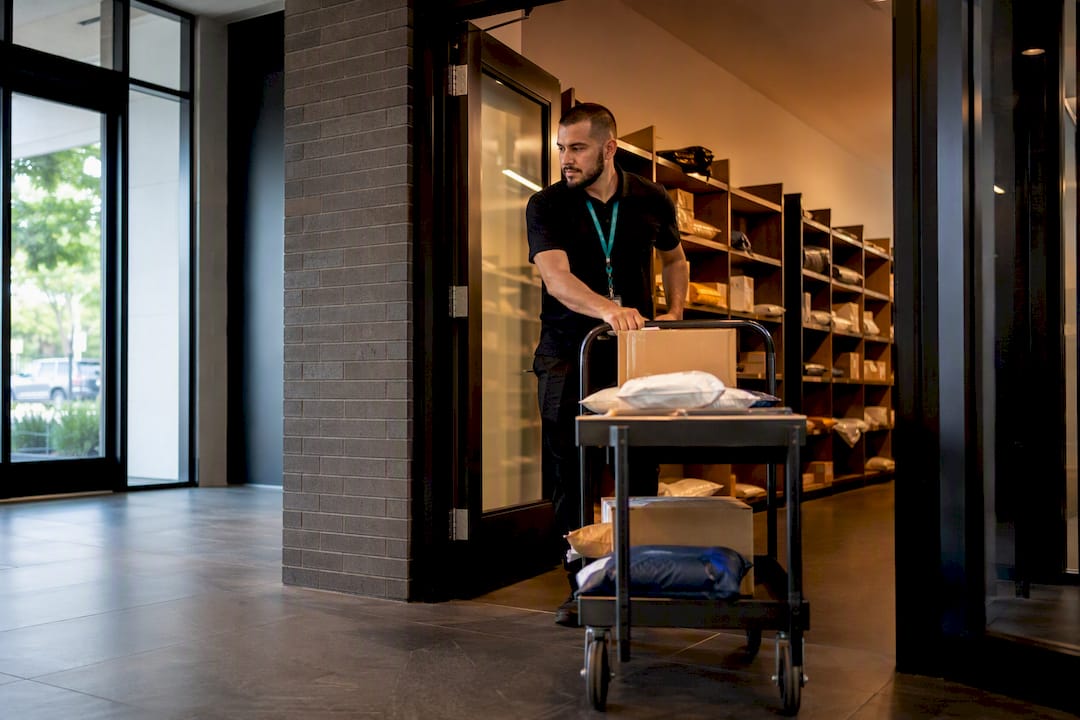
“Offsite package pickup” is a misleading name for what most multifamily operators actually need: on-site package room management, where a dedicated system and staff receive, log, and secure every delivery at the property itself. The recommended approach is not sending residents to an outside facility. It is tightening up the workflow you already have, with clear intake rules, resident notifications, and either a package room, lockers, or a hybrid setup sized to your property.
TL;DR:
- Most properties require a dedicated on-site package system with clear intake rules, resident notifications, and secure storage, rather than relying on off-site facilities.
- Package volume continues to rise, with residents receiving an average of over 10 packages per month, leading to significant staff hours spent on manual handling.
- Lockers suit high-volume or peak-season properties with ample staffing, while package rooms are better for smaller or mid-size communities with limited capital for hardware.
- Staff should regularly audit volume, space, and processes, and implement clear SOPs, signage, and carrier compliance measures to ensure smooth operations.
- Outsourcing package management to a dedicated service like Postal Solutions can recover staff hours, improve resident experience, and potentially generate ancillary revenue.
Table of Contents
- What On-Site Package Pickup Actually Means
- What Does On-Site Package Management Actually Save You?
- Package Room vs. Lockers vs. Hybrid: Which Fits Your Property?
- Sizing and Staffing: A Site-Visit Checklist
- How Do You Roll Out or Tighten a Package Program?
- The Postal Solutions Approach to On-Site Management
- Training Staff and Building Consistent SOPs
- Handling Misdelivered and Unclaimed Packages
- Getting Residents to Actually Pick Up Their Packages
- Security and Privacy Beyond Theft Prevention
- The Real Decision Is Staffing, Not Hardware
- Ready for On-Site Package Management That Runs Itself?
- Sources
- FAQ
What On-Site Package Pickup Actually Means
On-site package pickup means every delivery is accepted, sorted, stored securely, and logged at the property, with residents notified the moment it arrives. That is the operational definition worth building around, and it stands apart from a different model some search results confuse it with: third-party services that reroute carriers to an off-site warehouse entirely. This guide is about the former, because that is what almost every apartment and student housing community is actually running or considering.
The components that make up a working system are fairly consistent across properties. You have a physical container, which is either electronic lockers, a secured package room with shelving, or a hybrid of both. You have software that logs chain of custody and pushes text or email alerts. And you have a person, or a rotation of people, responsible for intake, sorting, and handling exceptions like oversized furniture deliveries or refrigerated grocery drops.
The confusion matters because vendors and blog posts throw around “offsite” loosely, and operators sometimes end up evaluating the wrong category of solution entirely. If you are comparing package rooms, lockers, or managed package services, you are already in the right lane. The question is not whether to keep it on-site. It is how to run the on-site operation well.
What Does On-Site Package Management Actually Save You?
The math starts with volume, and the volume is not shrinking. Multifamily residents averaged 9.41 packages per month in 2022, rising to 10.65 in 2023, and that trend line has kept climbing since. For a 250-unit property, that is over 2,600 packages a month moving through your leasing office, mailroom, or locker bank, every single one requiring intake, storage, and a notification.
Staff time is where this becomes concrete. Without a dedicated system, each package can require four to five separate touches (checking in a delivery, locating a resident, re-checking when they don’t show, handling the eventual pickup) and a property receiving dozens of packages daily can burn several hours of staff time every day just wrangling boxes. Multiply that across a portfolio and it is not a nuisance line item. It is a leasing agent who should be running tours instead of digging through a storage closet.
By the numbers: Package volume per resident grew roughly 13% between 2022 and 2023, and a mid-size property can lose six-plus staff hours a day to manual package handling without a structured system in place.
Resident experience is the other half of the ROI equation. Residents increasingly expect 24/7 secure self-service pickup, and a property that delivers on that expectation tends to see fewer complaints, fewer theft disputes, and better retention when renewal time comes around. Operators who treat the package room as an amenity rather than a chore consistently report stronger resident retention and cleaner online reviews.
The ROI factors break down into three buckets: the capital cost of hardware versus the operating cost of labor, the labor hours you recover by structuring intake, and any ancillary revenue you can generate by offering package management as a paid resident amenity.
Package Room vs. Lockers vs. Hybrid: Which Fits Your Property?
Lockers and package rooms solve the same problem differently, and neither one is universally right. The choice depends on your unit count, delivery volume, staffing model, and how much capital you want to put into hardware versus people.
Electronic lockers give residents fixed, secure compartments and genuine 24/7 self-service. Smart lockers typically install within one to three days and integrate with major property management platforms, and can pay back their cost through labor savings within about a year on the right-sized property. Their limitation is capacity. Every compartment is a fixed size, so oversized furniture, bulk grocery orders, and refrigerated deliveries need a separate plan, and carrier compatibility issues can leave a driver stacking boxes on the floor next to a locker bank that is technically full.
A secured package room usually costs less to set up than a comparable locker system and flexes to handle irregular package sizes without a hardware upgrade. The tradeoff is that a room needs real intake discipline: logged custody, clear shelving zones, and monitoring, because an unmanaged room is where internal theft and pile-up complaints happen.
Here is how the choice tends to shake out by property type:
- Small to mid-size staffed properties (under roughly 150 units): A managed package room with clear SOPs usually beats a locker investment. You already have staff on-site who can absorb intake as part of daily routine.
- High-volume urban or high-rise properties: A hybrid model works best. Lockers absorb the routine standard-size volume, while a supervised overflow room catches oversized items and peak-day surges.
- Lightly staffed or self-managed communities: Lockers reduce the staffing burden, but only if someone still owns carrier communication and exception handling.
- Student housing with sharp move-in and semester-break spikes: A hybrid with a strong seasonal-staffing plan handles the volume swings better than either option alone.
Sizing and Staffing: A Site-Visit Checklist
Before you commit to hardware or a staffing model, walk the property with numbers, not guesses. Here is the order to work through it in:
- Measure current volume. Pull a week of delivery logs (or ask your carrier reps) for average daily packages and the highest single peak day. Convert that into required locker slots or linear shelf feet, assuming each package needs roughly 1 to 2 days of dwell time before pickup.
- Set your staffing trigger. If daily volume regularly tops 50 to 75 packages, or touches are eating more than two hours of a staff member’s day, that is the threshold for adding a dedicated on-site package manager rather than folding it into a leasing agent’s job.
- Plan for seasonal spikes. Move-in weeks, the winter holidays, and (for student housing) the start of each semester can double or triple normal volume. Line up temporary labor or a documented overflow plan before the spike hits, not during it.
- Size your space. Confirm shelving capacity for standard boxes, a separate staging zone for oversized items and furniture, refrigerated storage for grocery and meal-kit deliveries, and a secure, camera-covered entry point.
- Prioritize the non-negotiables. In order: resident and package safety, working notification software, a written carrier intake SOP, and a documented overflow plan for when the room or lockers hit capacity.
Pro Tip: Run your volume count during a normal week, not move-in week or the week before a holiday. Sizing off a peak week leads to over-investing in capacity you only need four weeks a year.
How Do You Roll Out or Tighten a Package Program?
A site assessment comes first. Check power and network access at the intended package location, decide your compartment or shelving mix, confirm camera coverage reaches every intake and pickup point, and post clear signage so residents and drivers know exactly where to go.
Carrier compliance is where most systems actually break down. Non-compliant drivers who skip your intake process (leaving boxes in a hallway instead of scanning them into the room or locker) cause more package failures than any other single factor. The fix is pictorial, language-simple SOPs posted at the entry point, QR codes or PIN pads for driver check-in, and a documented escalation path for repeat non-compliance. Standardized training for carriers meaningfully cuts down on non-compliance during your busiest weeks.
- Confirm power, network, and camera coverage before installing any hardware.
- Post pictorial carrier SOPs, not paragraphs of text nobody reads.
- Sync your notification system with your property management platform (Yardi, RealPage, Entrata) so logs stay audit-ready.
- Build a temporary-labor plan for peak periods before the peak arrives, not during it.
Pro Tip: Ask any locker or software vendor exactly how their system detects and flags carrier non-compliance. If they can’t answer specifically, that’s a warning sign.
The Postal Solutions Approach to On-Site Management
Postal Solutions has run on-site package operations for apartment and student housing communities for 25 years, and the model is built around one idea: getting your leasing team out of the package business entirely. A dedicated on-site Package Manager works your community up to six days a week, receiving, sorting, and logging every delivery with full chain-of-custody records, and handling the exceptions (oversized furniture, refrigerated grocery orders, overflow during move-in) that break most self-managed systems.
The outcomes line up with the ROI factors covered earlier: staff hours recovered from box-wrangling, a visible amenity your leasing team can point to on tours, and for many communities, an ancillary revenue opportunity when package management is structured as a paid resident amenity. It works with whatever hardware you already have, whether that is a package room, an existing locker bank, or a hybrid setup.
Training Staff and Building Consistent SOPs
Consistency is what separates a package program that runs itself from one that generates a complaint every week. Start with a written SOP that covers every touchpoint: intake scanning, shelf or locker assignment, notification triggers, and the exact steps for a pickup, including ID verification.
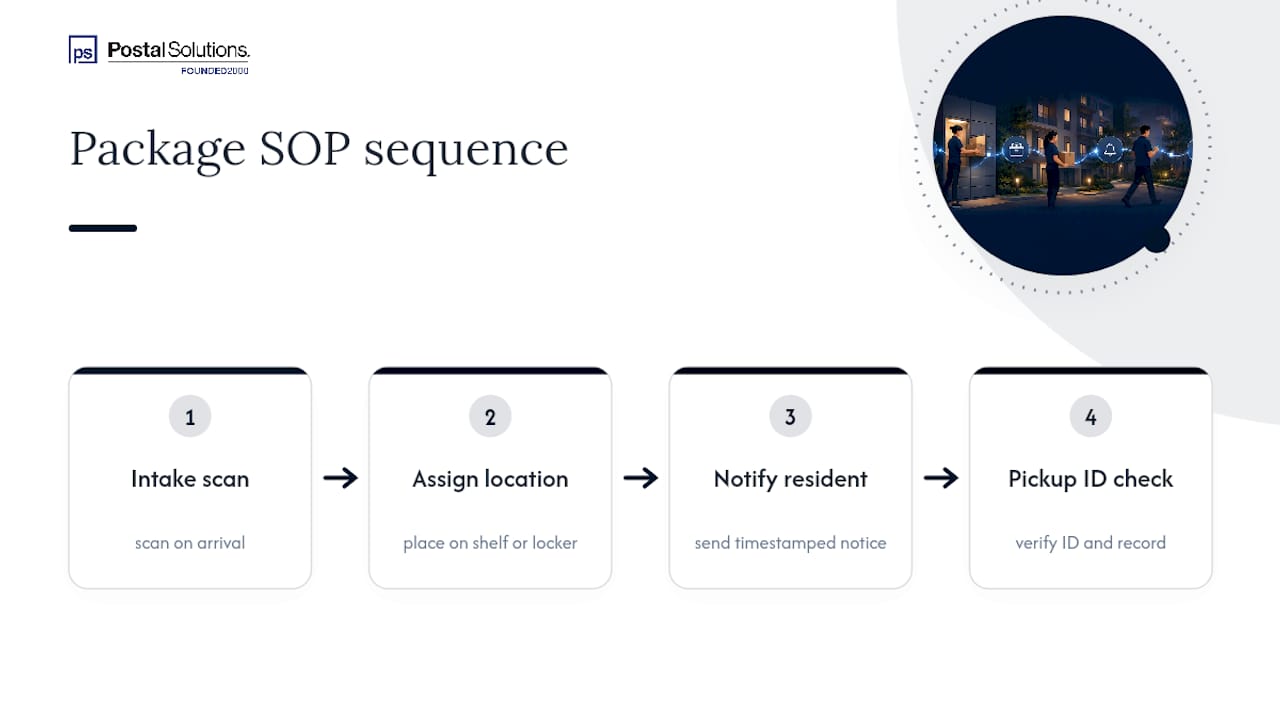
New staff should shadow an experienced package handler for at least a full week before working solo, because the exceptions (a resident who lost their pickup code, a delivery addressed to a former tenant, a driver who bypasses the scanning step) are where mistakes happen, not the routine intake. Build a short reference card for the most common exceptions and post it at the intake station.
Run a brief audit every week: spot-check a sample of logged packages against physical shelf locations, confirm notification timestamps match actual arrival times, and flag any package sitting unclaimed past your threshold (commonly 7 to 14 days). A weekly audit habit catches small errors, like a mislabeled shelf zone, before they become a resident complaint or a lost-package dispute.
Cross-train at least one backup staff member on the full SOP. Package handling that depends on a single person is a liability the moment that person is out sick during a peak week. Document your SOP in writing, not just in one staff member’s head, and update it every time you add a new carrier requirement or hardware feature.
Handling Misdelivered and Unclaimed Packages
Every property deals with two recurring headaches: packages addressed to residents who moved out, and packages nobody comes to claim. Both need a documented resolution path, not an ad hoc decision each time.
For misdelivered or wrong-address packages, log the discrepancy immediately, attempt to contact the resident named on the label, and if that fails, contact the carrier directly rather than simply holding the box indefinitely. Most carriers have a formal process for redirecting misdelivered parcels, and using it keeps your package room from becoming a permanent holding area for undeliverable boxes.
For unclaimed packages, set a clear timeline and stick to it. A common standard is a written notice or reminder at 7 days, a final notice at 14 days, and a documented return-to-sender or disposal process after that, following the carrier’s own policy for the package type. Refrigerated and perishable items need a much shorter window, sometimes 24 to 48 hours, given the spoilage risk.
Track every exception in your log, not just the successful pickups. A pattern of misdeliveries tied to one carrier or one building entrance usually points to a signage or driver-training problem you can actually fix, rather than a run of bad luck.
Getting Residents to Actually Pick Up Their Packages
The best system still fails if residents ignore the notification. Clear, repeated communication closes that gap. Send the pickup alert immediately on intake, not in a batch at the end of the day, and use both text and email since residents check them at different rates.
Set expectations at move-in. A short walkthrough of how the package room or locker bank works, including what happens to unclaimed items after your posted deadline, prevents a lot of confusion later. Reinforce it seasonally: a reminder email before the holiday shipping surge, and another at the start of each semester for student housing, resets expectations before volume spikes.
Make the unclaimed-package policy visible, not buried in a lease addendum. Post it at the pickup location and repeat it in the notification itself (“packages held 14 days, then returned to sender”). Residents who know the rule up front are far less likely to dispute it later.
Security and Privacy Beyond Theft Prevention
Theft prevention gets most of the attention, but a package room or locker bank also handles a steady stream of personally identifying information: names, unit numbers, and delivery patterns that reveal when someone is or is not home.
Access control matters as much as camera coverage. Limit who can enter the package room or override a locker to the smallest reasonable staff list, and log every access event, not just resident pickups. If your notification software stores resident phone numbers and email addresses, confirm the vendor’s data-handling practices before you sign a contract. That data should never be sold or shared with a third party without resident consent.
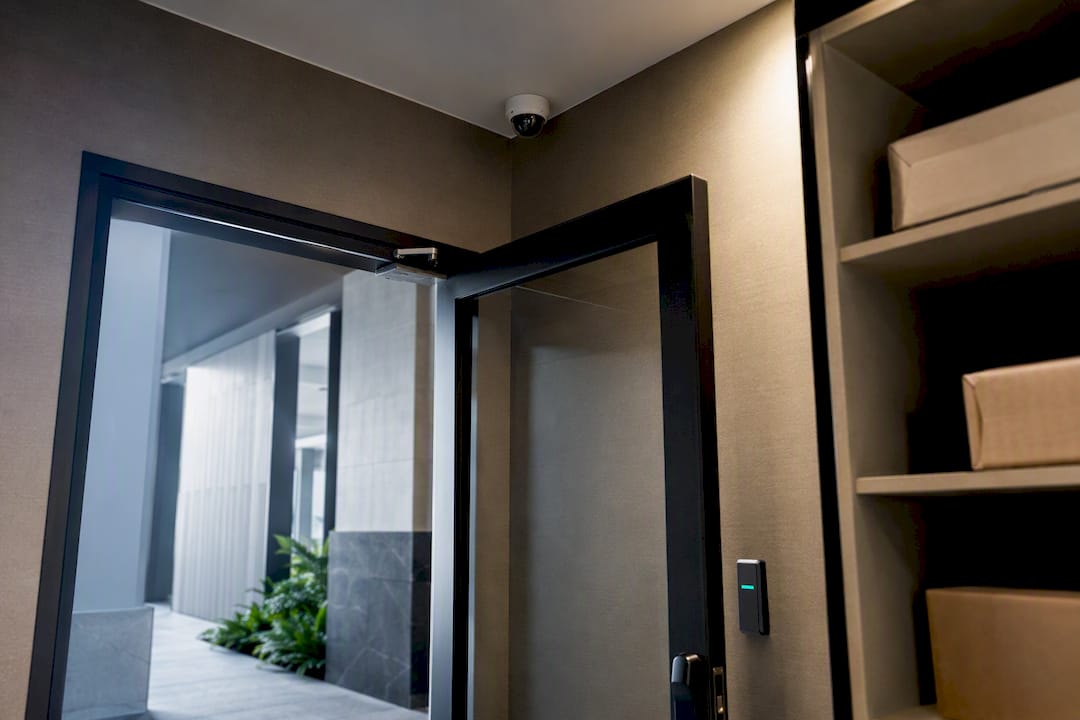
Camera coverage should capture the intake point and every access door, not just a wide shot of the room. Retention policies matter too: keep footage long enough to resolve a dispute (30 to 90 days is typical) but have a written policy rather than an indefinite, undocumented archive. Pair the physical security with a simple audit trail: every scan, every override, every manual entry logged with a timestamp and a name attached.
The Real Decision Is Staffing, Not Hardware
Start with your labor reality, not a locker catalog. A 400-unit property with a lean staff and heavy volume needs a fundamentally different setup than a 120-unit community with a full-time leasing team already on-site, and no amount of locker marketing changes that math. Match the tooling to the staffing you actually have, then layer in hardware as volume and budget justify it, not the other way around.
If you have not walked your package area with fresh eyes in the past year, that is the place to start. A short site audit will tell you more than any vendor pitch: current volume, peak-day capacity, and where your current process actually breaks. Grab the free package room management guide and use it as your walkthrough checklist.
Package handling is not a hardware decision you make once and forget. It is a daily operational load that shows up directly in staff hours and resident satisfaction scores, every single week.
— Postal Solutions
Ready for On-Site Package Management That Runs Itself?
Package Room Management, run by Postal Solutions, hands your leasing team back the hours they currently lose to sorting boxes and chasing residents who never got the notification. Instead of choosing between an expensive locker overhaul and a leasing agent doing package duty on the side, you get a dedicated on-site Package Manager working your community up to six days a week, with full chain-of-custody logging and support for oversized and refrigerated deliveries baked in.
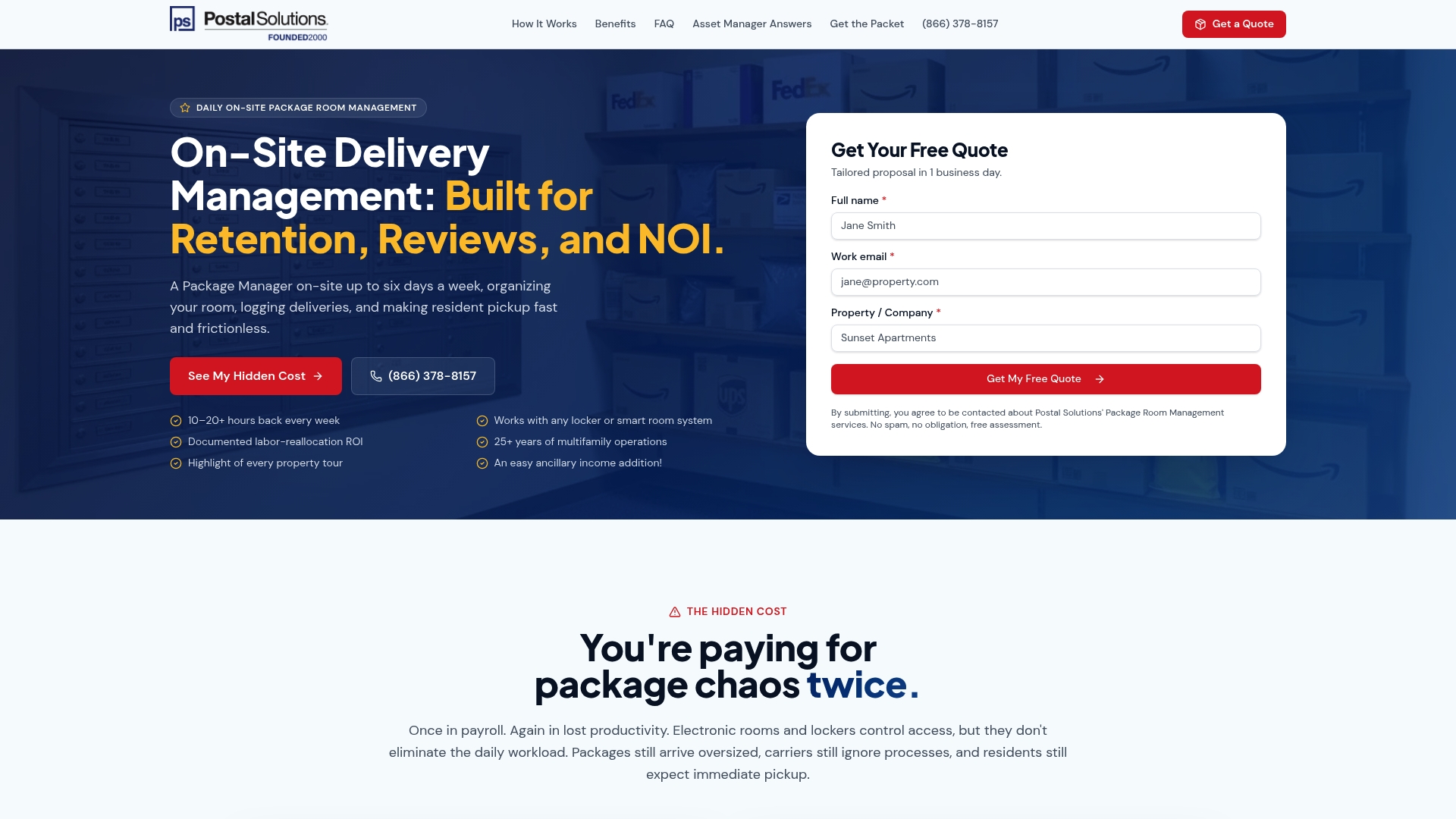
It works with whatever you already have installed, whether that is a package room, an existing locker bank from a provider like Smiota or Package Concierge, or no dedicated system at all. Many communities also structure it as a paid resident amenity, turning a cost center into something that helps offset itself. If your team is still buried in package duty, see how on-site management stacks up against outsourced alternatives and request a site assessment to see what recovered staff hours would actually look like at your property.
Sources
- Multifamily data research: package delivery pain points
- Multifamily properties face flood of packages
- Multifamily package management solutions impact resident retention
- Smart lockers for apartments: benefits, ROI, implementation guide
FAQ
What Does “Offsite Package Pickup” Mean for Apartments?
In the multifamily context, it refers to on-site package room management: packages are received, logged, and stored securely at the property itself, with residents notified for pickup on-site rather than sent to an outside facility.
Is a Package Room or Locker System Better for My Property?
Package rooms generally cost less to set up and flex to handle oversized items, while lockers offer fixed 24/7 self-service compartments that pay back within about a year on higher-volume properties; the right choice depends on your unit count, volume, and staffing.
When Should a Property Add a Dedicated Package Manager?
Once daily volume regularly exceeds a moderate threshold of packages, or staff are spending significant time on package handling, that is the point to add dedicated staff or a managed service like Package Room Management.
How Long Should Unclaimed Packages Be Held?
A common standard is a reminder notice at 7 days and a final notice at 14 days, followed by a documented return process, with a much shorter window (24 to 48 hours) for refrigerated or perishable items.
What Causes Most Package System Failures?
Carrier non-compliance, drivers bypassing the intake process instead of scanning packages in, is the most common cause of breakdowns, which is why pictorial SOPs and driver training matter as much as any hardware choice.
Recommended
Ready when you are
Fix your package room — start with a free proposal
Daily on-site Package Manager, resident text & email pings*, and a tour-ready amenity. Tell us your unit count and we'll send a right-sized proposal — usually within one business day.
- ✓ 16–30 hours back every week
- ✓ Works with any locker system
- ✓ Faster, friction-free resident pickup
- ✓ An easy ancillary income addition